

What is a high-risk pregnancy?
A pregnancy is called high-risk when the mother or baby has a higher chance of complications. Common reasons include diabetes or high blood pressure, a twin pregnancy, a previous caesarean or complicated pregnancy, pregnancy after fertility treatment, or a mother's age. It needs closer monitoring and a clear plan, not alarm.
Dr Sreeja Rani V R looks after both routine and high-risk pregnancies. Your schedule of visits and tests is planned around your health, your history and how your baby is growing.
Her MD in Obstetrics & Gynaecology, her MRCOG from the UK and her published case reports on complex pregnancy shape the way she plans and monitors each pregnancy.
Everything your pregnancy needs
Scans, tests and delivery take place at Cloudnine Hospital, Whitefield, a dedicated maternity hospital.
Antenatal care
Check-ups through all three trimesters, with advice on nutrition, supplements, exercise and birth planning.
High-risk pregnancy
Closer monitoring for gestational diabetes, high blood pressure, twins, previous complications or pregnancy after IVF.
Normal & caesarean delivery
Support for normal birth where it's safe, and caesarean section when it's the right choice for you or your baby.
Pregnancy scans
NT scan at about 11–14 weeks, the TIFFA anomaly scan, and growth scans in later pregnancy.
Pre-pregnancy counselling
Planning before you conceive: health checks, folic acid and managing existing conditions.
Amniocentesis
A diagnostic test offered when screening shows a higher chance of certain conditions, with counselling before and after.

What happens and when
A general guide. Your own schedule may differ depending on your health and your baby's needs.
- First trimester. Confirming the pregnancy and due date, first blood tests, folic acid, and the NT scan at about 11–14 weeks.
- Second trimester. The detailed TIFFA anomaly scan, screening for gestational diabetes and regular check-ups.
- Third trimester. Growth checks, tracking your baby's movements and planning your birth.
Sex determination of the foetus is not done and is punishable under the PCPNDT Act.
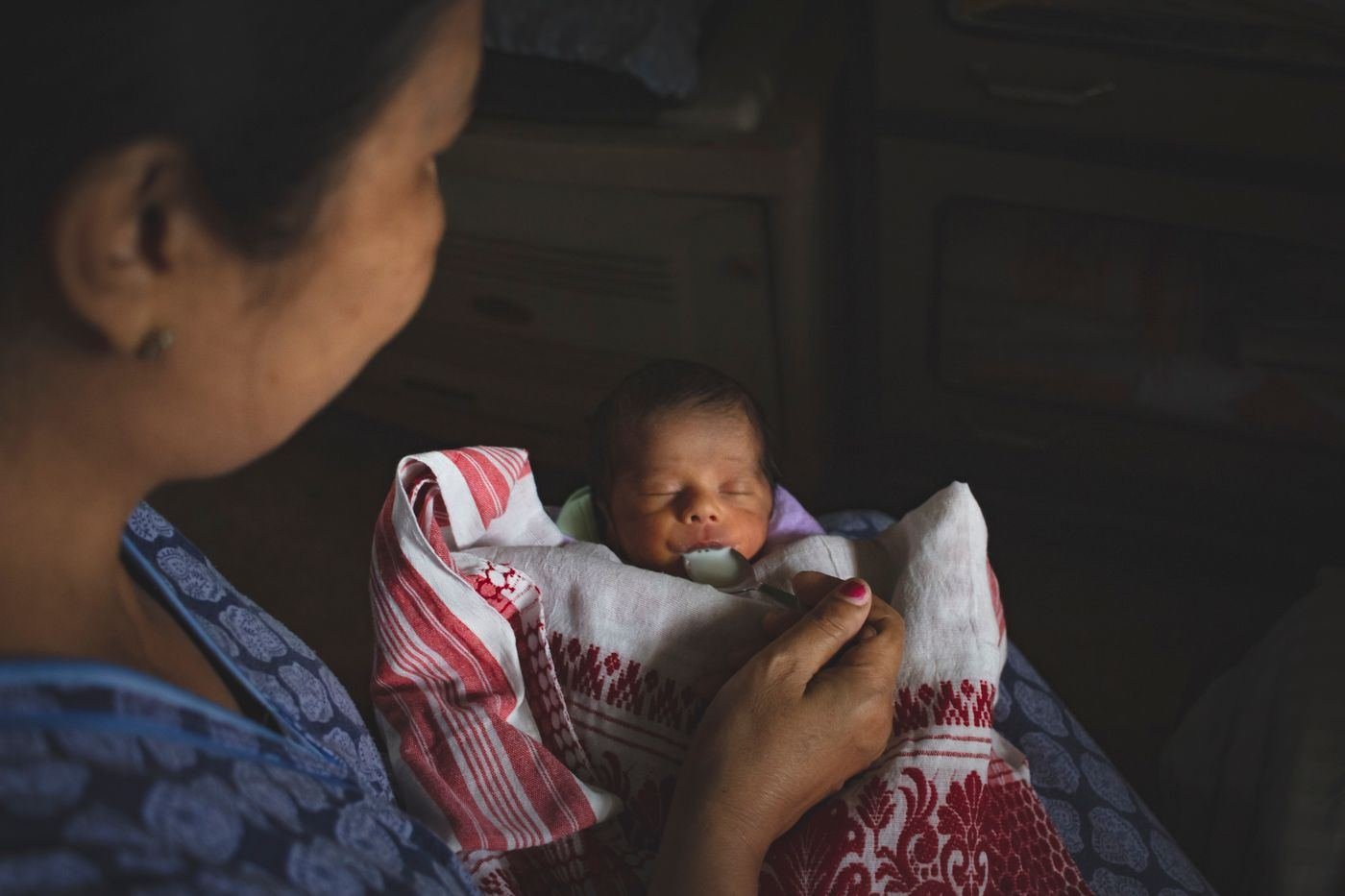
Care continues after delivery
The weeks after birth matter for your recovery too.
- Recovery advice after a normal delivery or caesarean section
- Support with feeding, rest and pain relief
- A postnatal check-up a few weeks after delivery
- Advice on contraception and planning a future pregnancy

Seek care straight away if you notice
Go to the nearest hospital emergency department. These signs need prompt attention at any stage of pregnancy.
- Vaginal bleeding
- Severe or constant abdominal pain
- Leaking or gushing fluid
- Your baby moving less than usual
- Severe headache or blurred vision
- Sudden swelling of face, hands or feet
- Fever, or burning when passing urine
- Persistent vomiting

Meet Dr Sreeja Rani V R
A Consultant Obstetrician & Gynaecologist at Cloudnine Hospital, Whitefield. She trained at Trivandrum Medical College and Madras Medical College, taught obstetrics and gynaecology for eight years, and has consulted in Whitefield since 2013.
Pregnancy care FAQs
When should I see a gynaecologist after a positive pregnancy test?
How often are antenatal check-ups needed?
Can I have a normal delivery after a previous caesarean?
Where will my baby be delivered?
Ready to talk it through? Request a consultation.
Dr Sreeja Rani V R · Cloudnine Hospital, Whitefield, Bengaluru
